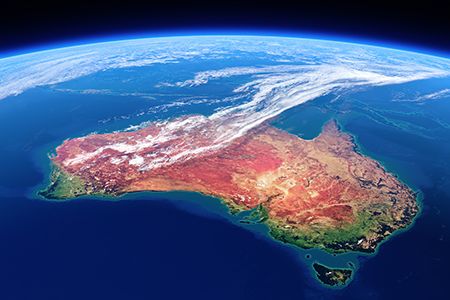
Bonaparte CCS project reaches major milestone
Federal Government formally recognises the West Peron geological formation as suitable for greenhouse gas storage.

Browse the latest special reports news and articles.
Today, 13 October 2026, the International Gas Union (IGU) released its first report on the Global State of Methane Regulation.
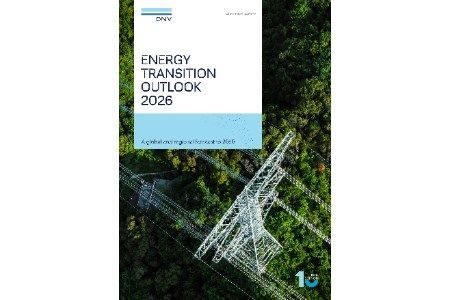
Energy-importing countries are scaling clean energy three times faster than exporters, as governments seek to reduce reliance on imported oil and gas by expanding domestically produced power, according to the tenth edition of DNV’s Energy Transition Outlook.

Wood Mackenzie has reported that Johan Sverdrup Crude hits record US$24/bbl premium to Brent as Saudi pipeline suspension tightens European medium-sour supply.
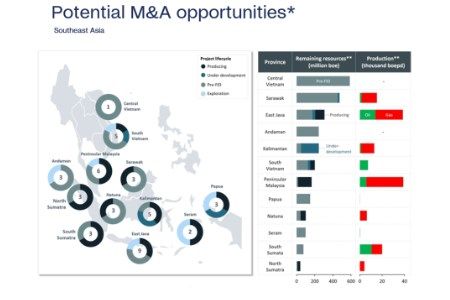
According to Rystad Energy, Southeast Asia's upstream merger and acquisition conversation has moved from which international oil companies are leaving to who is entering, with US$9.6 billion on offer.
McKinsey’s Global Energy Perspective 2026 finds that the ongoing energy transition, impacted by volatile market conditions, is becoming an energy expansion, with oil, gas, coal, and renewables all growing.
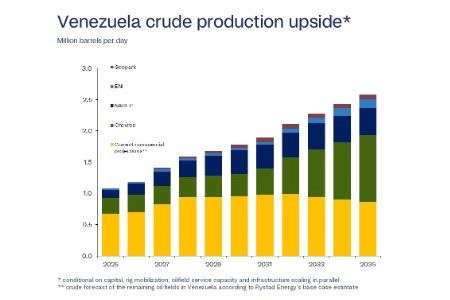
Venezuela’s upstream oil sector is attracting renewed investment from established majors and new operators, according to new Rystad Energy research and analysis.
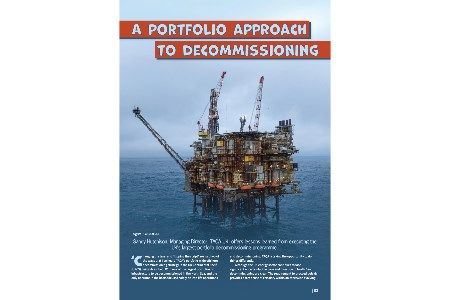
Sandy Hutchison, Managing Director, TAQA UK, offers lessons learned from executing the UK’s largest portfolio decommissioning programme.
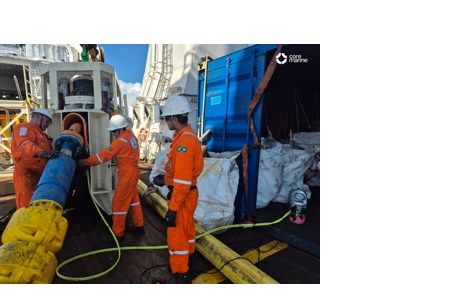
CoreMarine takes a decisive step to expand its offshore footprint in one of the world's most active subsea markets.

Ichthys retains core New Mexico asset base, remaining well capitalised for continued growth and development.