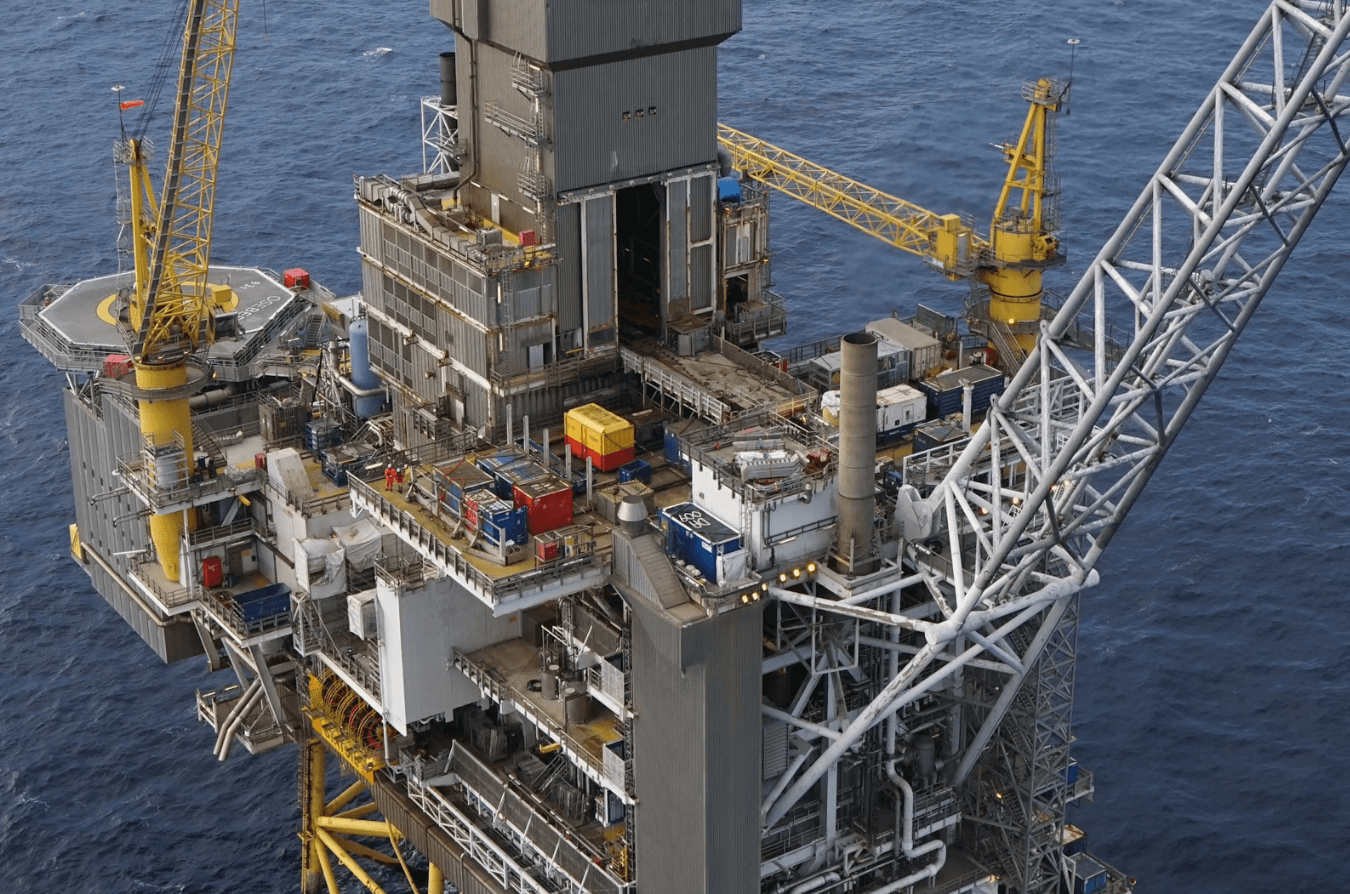
According to the Norwegian Petroleum Directorate, the well was drilled approximately 30 km south of the Johan Sverdrup oilfield in the central part of the North Sea and about 200 km west of Stavanger.
The objective of the well was to prove petroleum in reservoir rocks from the Upper Jurassic (the Draupne formation).
The well did not encounter sandstone in the Draupne formation. Approx. 100 m of tight rock and 10 m of aquiferous sandstone of poor reservoir quality were encountered in the Skagerrak formation from the Triassic.
Data has been acquired.
This is the first exploration well in production licence 776, awarded in APA 2014.
Well 16/5-6 was drilled to a vertical depth of 2319 metres below the sea surface and was terminated in rocks from the Triassic Age (Skagerrak formation).Water depth at the site is 98 metres. The well will now be permanently plugged and abandoned.
Well 16/5-6 was drilled by the Borgland Dolphin drilling facility, which is now scheduled to drill wildcat well 35/11-20 A in production licence 248 F in the North Sea, operated by Wintershall Norge AS.
Adapted from a press release by Louise Mulhall